
Which tennis strings should I use?

If you've ever walked into a tennis shop, stared at the wall of string options, and felt completely overwhelmed -you are not alone.
With hundreds of different strings on the market from dozens of manufacturers, choosing the right one can feel like navigating a minefield.
Players in online tennis communities frequently express the same frustration: there are simply too many strings to choose from, and the marketing noise makes it even harder to cut through to what actually matters.
The good news? Once you understand a few key principles, finding the right string for your game becomes much more manageable.
This guide will break down everything you need to know - from string types and gauges to tension and hybrid setups - drawing on both expert knowledge and real insights from the tennis community.
String choice actually matters
Think of your racket as a car and your strings as the engine. According to Babolat, who invented the tennis string back in 1875, strings are responsible for about half of the performance of your frame. They are what make direct contact with the ball on every shot, affecting:
- Power: How much energy returns to the ball
- Control: How long the ball sits on the string bed (dwell time)
- Spin: How many rotations per minute you can generate
- Comfort: How much shock and vibration reaches your arm
One recurring theme in tennis forums is that recreational players often underestimate how much strings affect their game. Many stick with whatever came on their racket or blindly copy what the pros use—neither of which is necessarily ideal for their level and playing style.
The four main string types
1. Natural gut – the gold standard
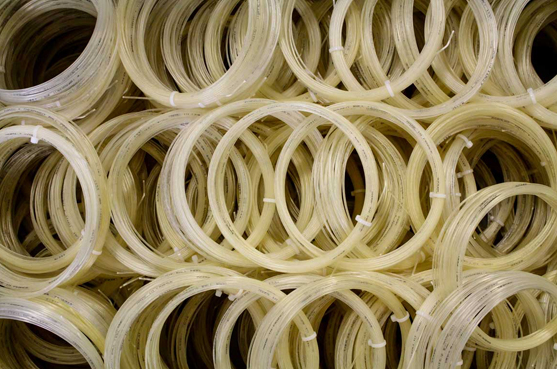 Image source: babolat.com
Best for players with arm issues, those who prioritize feel and power, or anyone willing to invest in premium performance.
Made from cow intestines, natural gut remains the premier string for feel, comfort, and power. It offers exceptional tension maintenance and energy return, making it the most arm-friendly option available. Roger Federer famously used Wilson Natural Gut in his main strings throughout much of his career.
The main problem is that natural gut is expensive - typically $40 or more per set - and less durable than synthetic alternatives. As many players point out, the high cost keeps most recreational players away from this premium option. However, for those who can justify the expense or who struggle with arm injuries, it remains unmatched.
2. Polyester (poly) – the spin machine
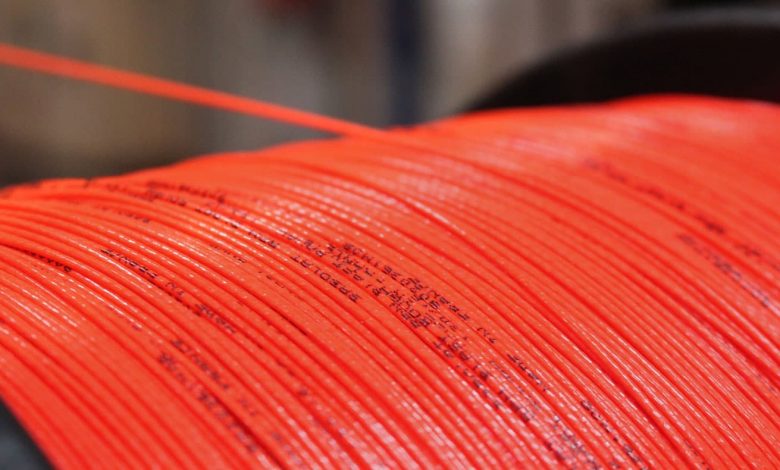 Image source: perfect-tennis.com
Best for advanced players with fast, long strokes who want control and spin. Generally not recommended for beginners.
Polyester strings have dominated the professional tour since Gustavo Kuerten won the 1997 French Open using Luxilon Big Banger. Today, around 80% of professional players use some form of polyester string, and many shaped polyester options (with square, hexagonal, or pentagonal profiles) are specifically designed to maximize spin potential.
Polys offer excellent control, durability, and spin - but there's a trade-off. They are stiffer and less forgiving, which can be harsh on your arm. A common discussion point in tennis communities is that many recreational players use polyester strings without really needing to. The stiffness that gives pros their control can actually hurt intermediate players who don't generate enough racket head speed to make the strings work properly.
Popular options: Luxilon ALU Power, Babolat RPM Blast, Solinco Hyper-G, Volkl Cyclone
3. Multifilament – the comfortable all-rounder
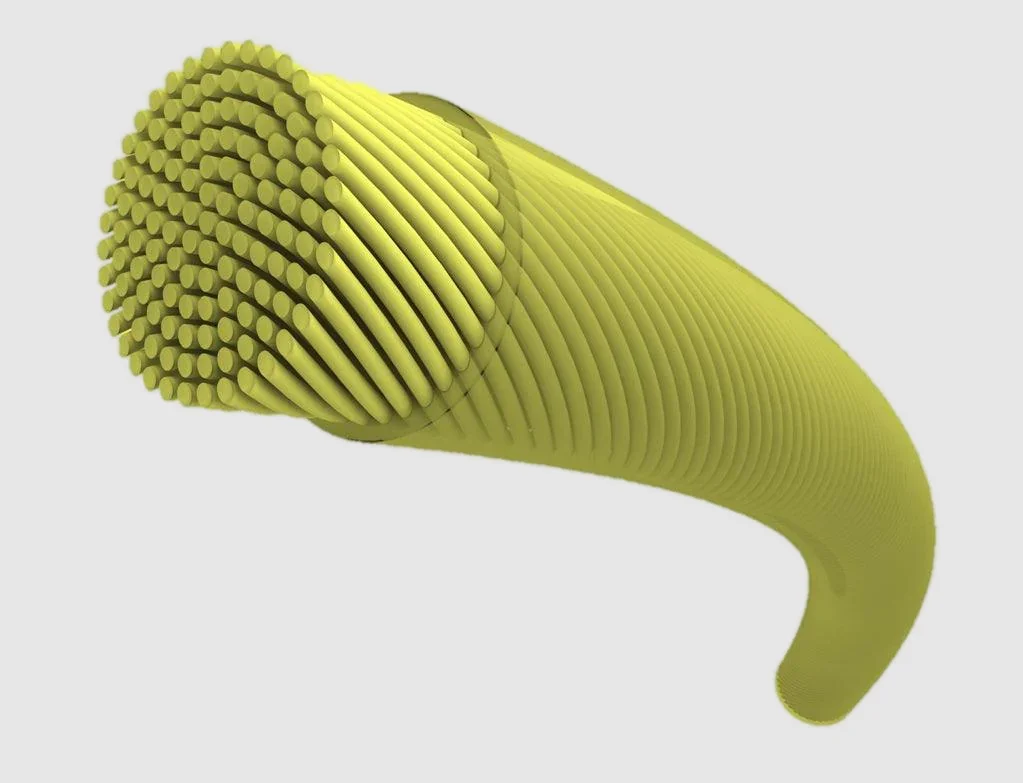 Image source: tennisexpress.com
Best for intermediate players seeking comfort and power, anyone with arm sensitivity, and players transitioning from synthetic gut.
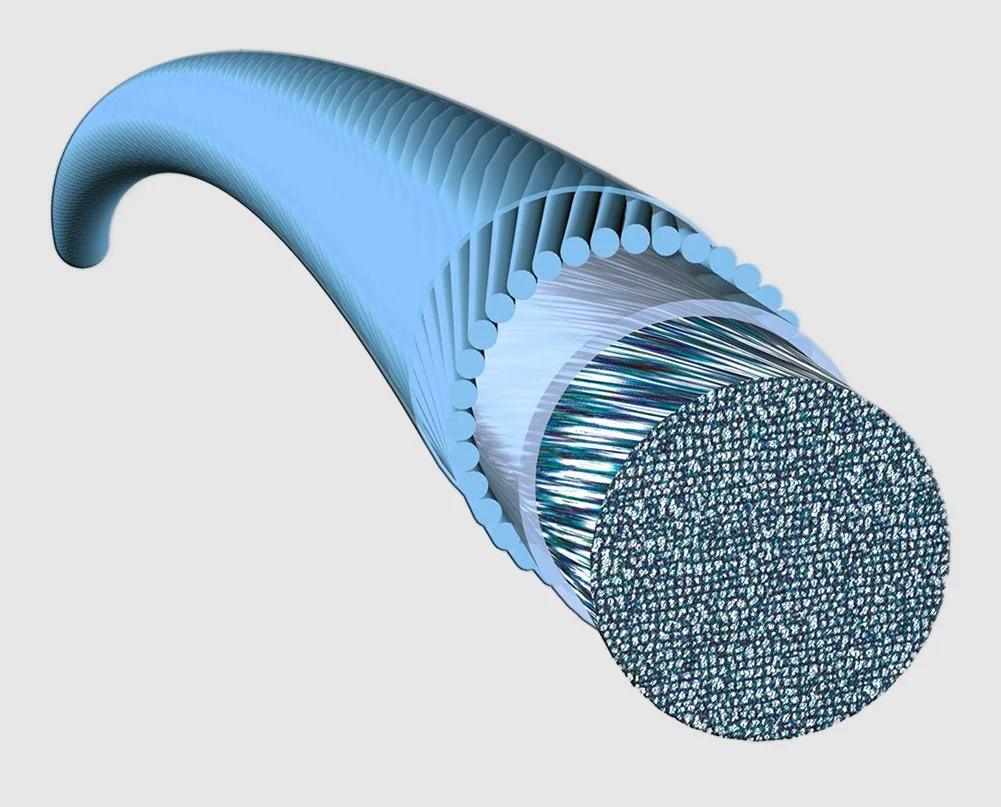
Multifilament strings are made of hundreds or thousands of tiny synthetic fibers woven together, mimicking some of the playability of natural gut at a much lower price point. Wilson NXT, for example, weaves 1,600 individual microfibers to deliver impressive power and comfort.
The tennis community often recommends multifilaments for players who want something more performance-oriented than synthetic gut but aren't ready for (or don't need) the demanding nature of polyester. They're also an excellent choice for anyone with a history of tennis elbow or arm discomfort.
Popular options: Wilson NXT, Tecnifibre X-One Biphase, Head Velocity MLT, Tecnifibre NRG2
4. Synthetic gut – the budget champion
 Best for beginners, casual players, and anyone on a tight budget who wants reliable performance.
Do not underestimate synthetic gut strings. While they rarely get much love in online discussions—players don't typically rave about them - they're a terrific option for beginners and recreational players. Prince Synthetic Gut, for instance, has provided players of all ages and levels with reliable, all-around playability at an unbeatable price for decades.
You can pick up a set of synthetic gut for under $10, making it perfect for casual players who don't want to overthink their string choice. It's balanced, durable enough for recreational use, and comes in multiple colors - which is fun for younger players.
What tennis player really think
Browsing through popular tennis forums and Reddit discussions reveals some fascinating insights that don't always make it into official guides:
The price debate
Excellent strings exist at every price point. While premium options like Luxilon ALU Power and Babolat VS Touch command top dollar, strings like Volkl Cyclone offer comparable spin and control at half the price. One player noted they switched from Babolat RPM Blast to Volkl Cyclone and found the performance "similar enough" while saving significantly over time.
The "too many options" problem
A recurring theme is decision paralysis. There is a sheer number of choices, with new strings launching constantly. The advice from experienced players is usually the same: start simple, pick a well-reviewed string in your category, and stick with it long enough to actually learn its characteristics before switching.
Tennis community favorites
When players share their current favorite strings, a few names come up repeatedly. Solinco Hyper-G remains popular for its distinctive color and reliable spin. Luxilon ALU Power continues to dominate among competitive club players. For those seeking comfort with spin, Solinco Hyper-G Soft has become a benchmark that many compare other strings against. Head Lynx Tour gets praise for its feel and control. And for budget-conscious players, Volkl Cyclone and Gosen Polylon consistently receive strong recommendations.
Optimizing your setup for spin and comfort
One of the most common questions is how to maximize spin without sacrificing arm health. Here's what the collective wisdom suggests:
For maximum spin
- Choose shaped polyester strings (hexagonal, pentagonal, square profiles)
- Consider a thinner gauge (17g/1.25mm) for more bite on the ball
- String at lower tensions (mid-40s to low 50s) to increase snapback
- Look for strings with low-friction coatings that enhance string movement
For arm comfort
- Choose multifilament or natural gut strings
- If you must use poly, try "soft" versions (like ALU Power Soft or Hyper-G Soft)
- String at lower tensions to reduce impact shock
- Consider a hybrid setup with poly in crosses and gut/multi in mains
The hybrid solution: best of both worlds?
Hybrid stringing—using two different strings in the mains and crosses—has become increasingly popular, from club players to the pro tour. The concept is simple: combine the strengths of different string types to create a custom playing experience.
The Federer setup (gut mains, poly crosses)
Roger Federer popularized using natural gut in the mains with Luxilon ALU Power Rough in the crosses. This setup prioritizes feel and comfort while the poly crosses add control and spin potential. It's ideal for all-court players and those with varied shot arsenals. Novak Djokovic still uses a similar configuration today.
The control setup (poly mains, gut/multi crosses)
Players who want more control and spin potential often put polyester in the mains and a softer string in the crosses. Alexander Zverev uses this configuration. The main strings do about 70-80% of the work, so you get the poly's control characteristics with some added comfort from the crosses.
A practical consideration from the community: hybrid setups with natural gut are primarily used by pros who don't pay for restringing. The gut wears faster than poly, increasing costs and restring frequency. For recreational players, a poly/multifilament hybrid often makes more financial sense.
Quick reference: matching strings to your game
Player type | Recommended string | Starting tension |
Beginner | Synthetic Gut or Multifilament | Mid-range (50-55 lbs / 22-24 g) |
Intermediate | Multifilament or Soft Poly | Mid-range (48-54 lbs / 21-24 g) |
Advanced baseliner | Polyester (shaped) | Lower (44-50 lbs / 20-22.5 g) |
All-court player | Hybrid (Gut + Poly) | Varies by string |
Arm issues | Natural Gut or Multifilament | Lower range (45-52 lbs / 20-23.5 g) |
String breaker | Durable Poly (16g) | Mid-range (48-54 lbs / 21-24 g) |
Final advice: keep it simple
After sifting through countless discussions and expert opinions, the most practical advice comes down to this:
1. Start with your level. Beginners should stick with synthetic gut or multifilament. Intermediates can experiment with softer polys or hybrids. Advanced players can explore the full poly spectrum.
2. Consider your arm health. If you have any history of tennis elbow or arm discomfort, prioritize comfort strings and lower tensions.
3. Don't chase pro setups. What works for Rafael Nadal probably won't work for a 3.5 club player. Pros generate far more racket head speed and have personal stringers maintaining optimal tension.
4. Give strings a fair trial. Play with a new string for at least 3-4 sessions before judging it. First impressions can be misleading.
5. Remember the restring rule. String your racket as many times per year as you play per week. If you play twice a week, restring at least twice a year - even if the strings haven't broken.
The string jungle may be vast and expanding, but armed with this knowledge, you're now equipped to find a setup that elevates your game. Happy hitting!

